


The Architectural Soundscape
A Master Guide to High-End Home Cinema Acoustics & Sound Isolation
By
Deepak Saxena
Founder – AV Consultants
Introduction: The Invisible Architecture of Sound
In the world of high-end home cinema, most attention is given to visible technology—projectors, speakers, and processors. Yet after nearly two decades of designing reference-level environments, one truth stands above all:
Sound is shaped not by equipment alone—but by the space it lives in.
A premium AV system placed in an untreated room is like a supercar driven on a broken road. The potential exists, but performance is compromised.
At AV Consultants, we treat the room itself as a precision acoustic instrument, engineered through a combination of:
• architectural acoustics
• global acoustic technologies
• custom fabrication
• advanced 3D acoustic modeling
This guide explores the evolution from simply installing equipment to engineering a complete sonic environment.
At AV Consultants, we have spent nearly two decades designing reference-level cinema environments across luxury homes in India. Our approach combines globally respected acoustic brands & our own custom-engineered acoustic systems and advanced 3D room modeling. The result is a room that doesn’t fight your audio equipment—but works in perfect harmony with it.
I. The Science of Sonic Precision: Why Rooms Fail
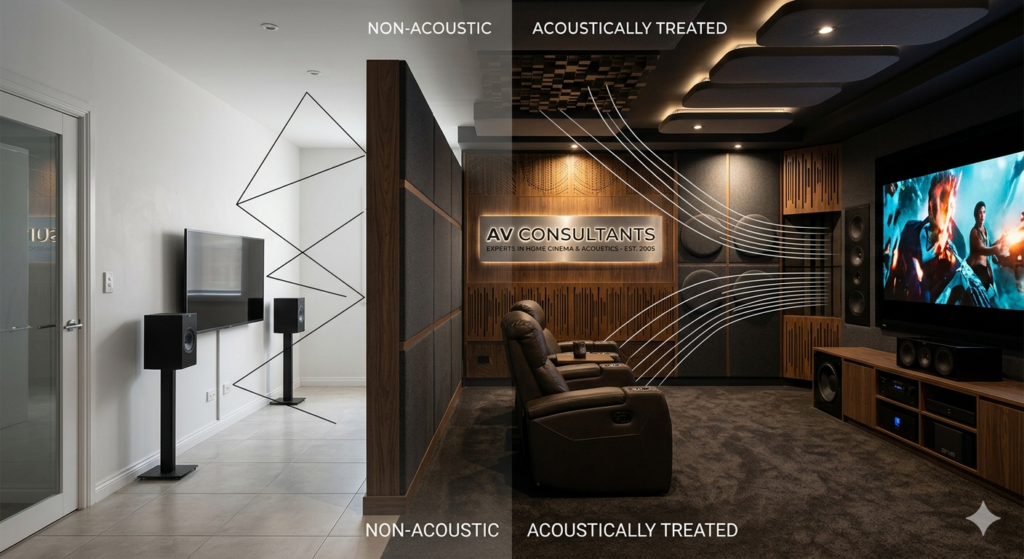
Modern homes—especially those with marble floors, glass walls, and minimalist design—are acoustically reflective environments.
Understanding the Science of Sound in a Room
Before exploring acoustic solutions, it is essential to understand why untreated rooms degrade sound quality.
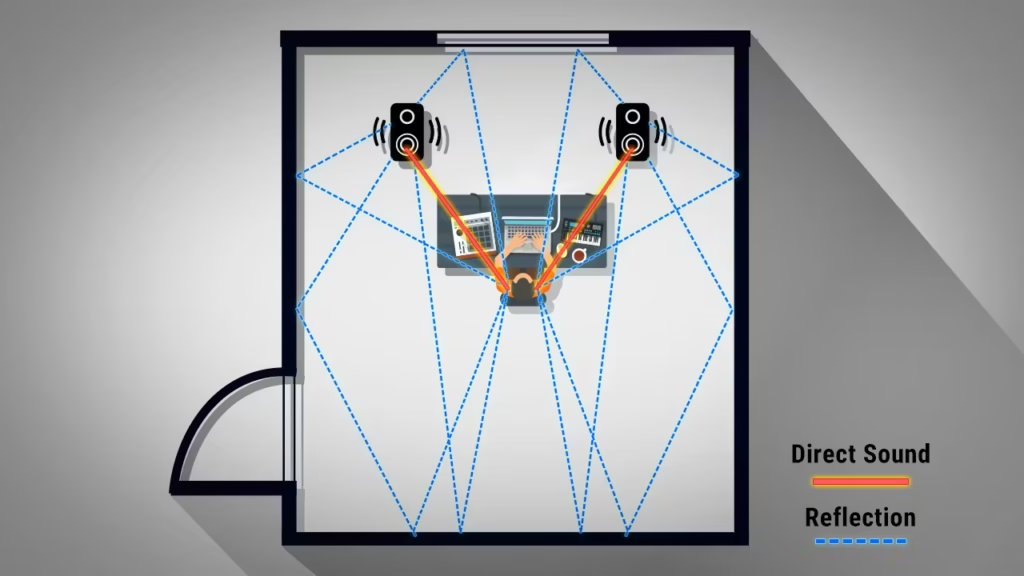
Sound waves interact with room surfaces in complex ways. When speakers produce audio signals, the sound does not travel directly to the listener alone.
Instead, it interacts with:
• walls
• floors
• ceilings
• furniture
• glass surfaces
These reflections create several acoustic problems.
First Reflections and Imaging Loss
When sound reaches your ears directly from the speaker, it is called direct sound.
However, in a typical untreated room, sound also bounces off nearby surfaces before reaching the listener.
These reflections arrive milliseconds later than the direct sound. Because the time difference is extremely small, the human brain cannot separate them.
The result is comb filtering, where certain frequencies cancel out while others become exaggerated.
This effect dramatically reduces stereo imaging, making it difficult to pinpoint where sounds originate within the soundstage.
Flutter Echo
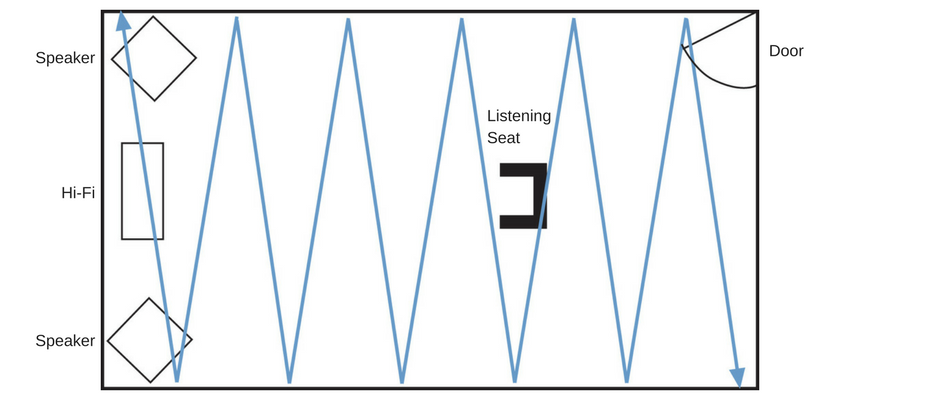
Flutter echo occurs when sound waves bounce rapidly between two parallel surfaces.
This phenomenon creates a harsh metallic ringing effect that often appears in rooms with:
• tiled floors
• plaster walls
• glass windows
In a home theater, flutter echo can make dialogue sound thin and unpleasant.
Standing Waves and Bass Problems
Low-frequency sound behaves differently from high-frequency sound.
Bass waves are extremely long and interact strongly with room dimensions. When the wavelength of a bass frequency matches the length, width, or height of a room, standing waves occur.
Standing waves create:
Bass peaks – overwhelming bass energy in certain areas
Bass nulls – complete loss of bass in other locations
This is why many home theaters experience boomy bass in one seat and weak bass in another.
The Transformation: Acoustically Engineered Rooms
Professional acoustic treatment is not about eliminating sound reflections entirely.
Instead, the goal is to create a balanced acoustic environment using three primary techniques:
- Absorption
- Diffusion
- Bass management
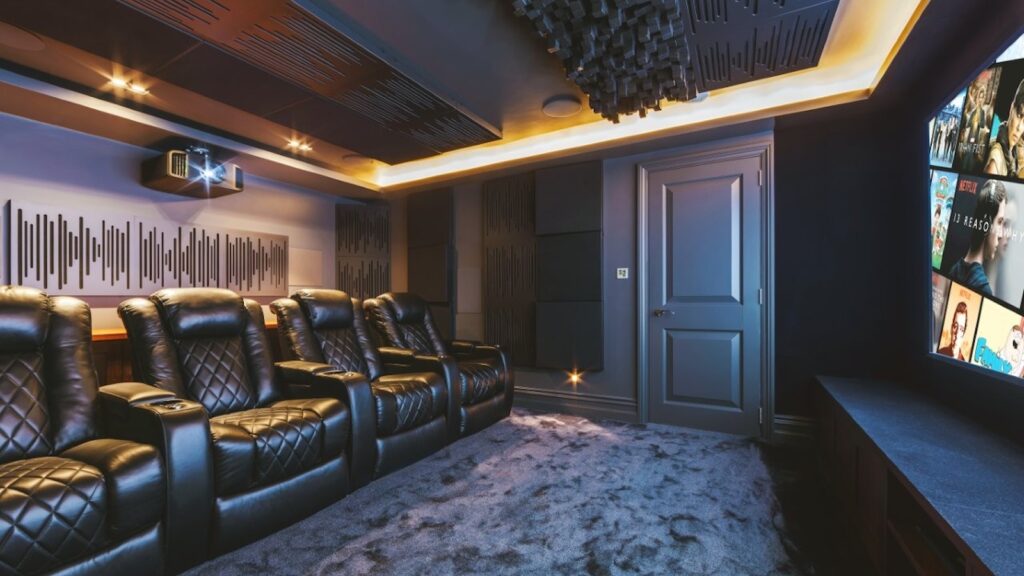
When these elements are properly integrated, the room becomes an extension of the sound system itself.
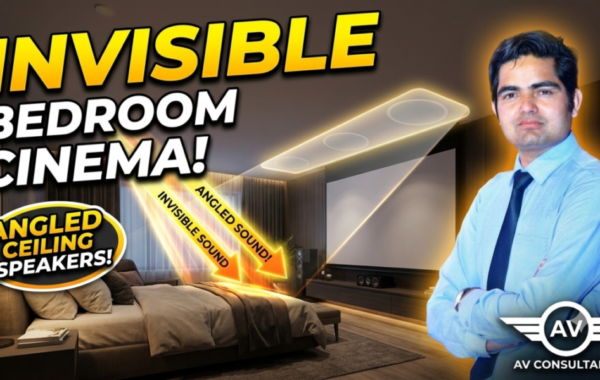
Today, homeowners are increasingly transforming bedrooms into personal cinema or stereo listening spaces, where the goal is to achieve high-quality sound at low volume without compromising aesthetics. This is made possible through intelligent acoustic design that blends performance with interior styling.
Bedroom Cinema Acoustics: Intimate Precision
Bedrooms are one of the most challenging yet rewarding spaces for sound design because the goal isn’t loudness—it’s clarity, warmth, and intimacy at low volume. This is exactly where acoustics matter more than equipment. Bedrooms require low-volume excellence.
AV Consultants Approach
While bedrooms already include soft furnishings like beds and curtains, they do not provide balanced acoustic control across frequencies, often resulting in either excessive echo or an overly dead sound. A properly treated bedroom, using a combination of absorption panels at reflection points, bass traps in corners, and controlled diffusion, transforms the listening experience by preserving dialogue clarity, maintaining tonal balance, and delivering tight, controlled bass even at low levels. In essence, good acoustics allow a system to perform effortlessly without needing higher volume, ensuring a refined, fatigue-free listening experience—something that defines true high-end bedroom audio design as practiced by AV Consultants.
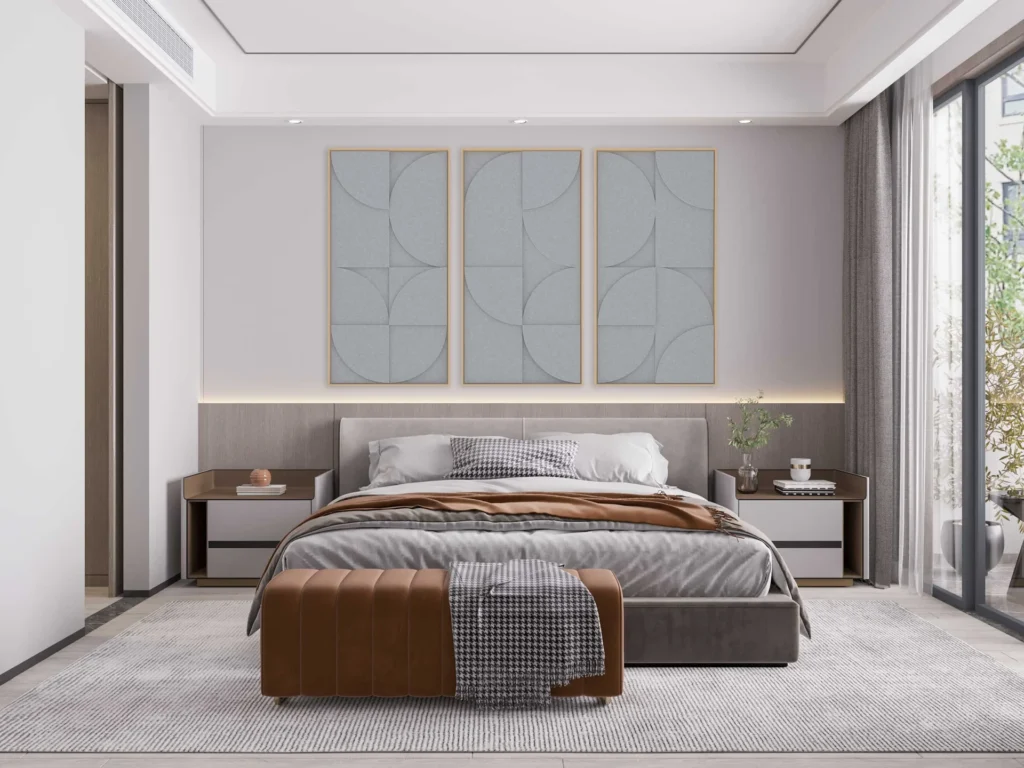
Modern acoustic solutions, especially from brands like Vicoustic, are no longer bulky or industrial-looking; instead, they are designed as decor elements—fabric panels, wooden diffusers, and designer bass traps that complement luxury interiors. By strategically placing absorption panels at first reflection points, controlling low frequencies with compact bass traps, and adding subtle diffusion behind the listening position, the room maintains clarity, depth, and balance even at low listening levels. This approach also addresses natural acoustic issues explained by concepts like Room Modes, ensuring smooth and controlled bass response without overpowering the space.
Lounge & Living Room Acoustics: Invisible Engineering
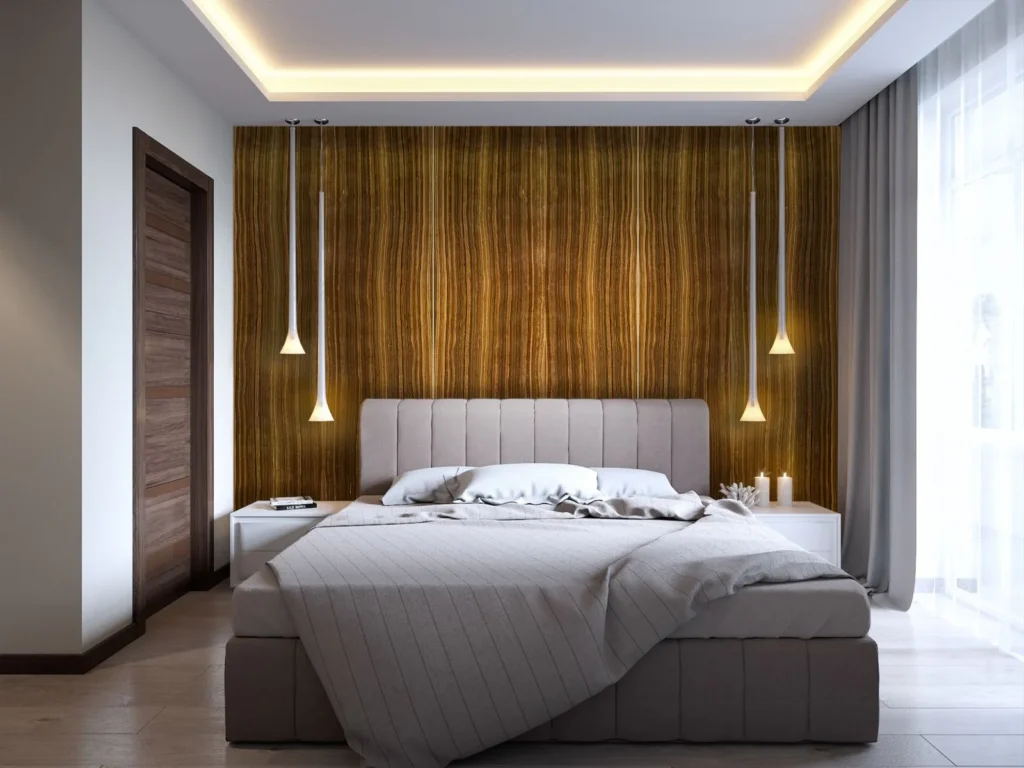
Modern lounge and living spaces are designed for openness, aesthetics, and comfort—but these same qualities often create acoustic challenges. Large glass surfaces, marble flooring, high ceilings, and open layouts lead to excessive reflections, echo, and loss of clarity. The concept of “invisible engineering” in acoustics focuses on correcting these issues without disturbing the visual elegance of the space, allowing homeowners to enjoy high-fidelity sound in a naturally beautiful environment.
In living rooms, uncontrolled reflections from walls and ceilings reduce dialogue clarity and weaken stereo imaging, making even premium systems sound average. At the same time, low-frequency issues caused by Room Modes result in uneven bass—boomy in some areas and weak in others. Unlike dedicated home cinemas, living spaces cannot rely on heavy, visible acoustic treatments, which is why modern solutions focus on subtle integration.
Today, advanced acoustic products from brands like Vicoustic are designed to blend seamlessly into interiors. Fabric-wrapped panels can be customized to match wall colors, wooden diffusers double as decorative elements, and bass traps can be integrated into corners or concealed within architectural features. Even elements like rugs, curtains, and upholstered furniture are strategically used as part of the acoustic plan, creating a balance between absorption and reflection.
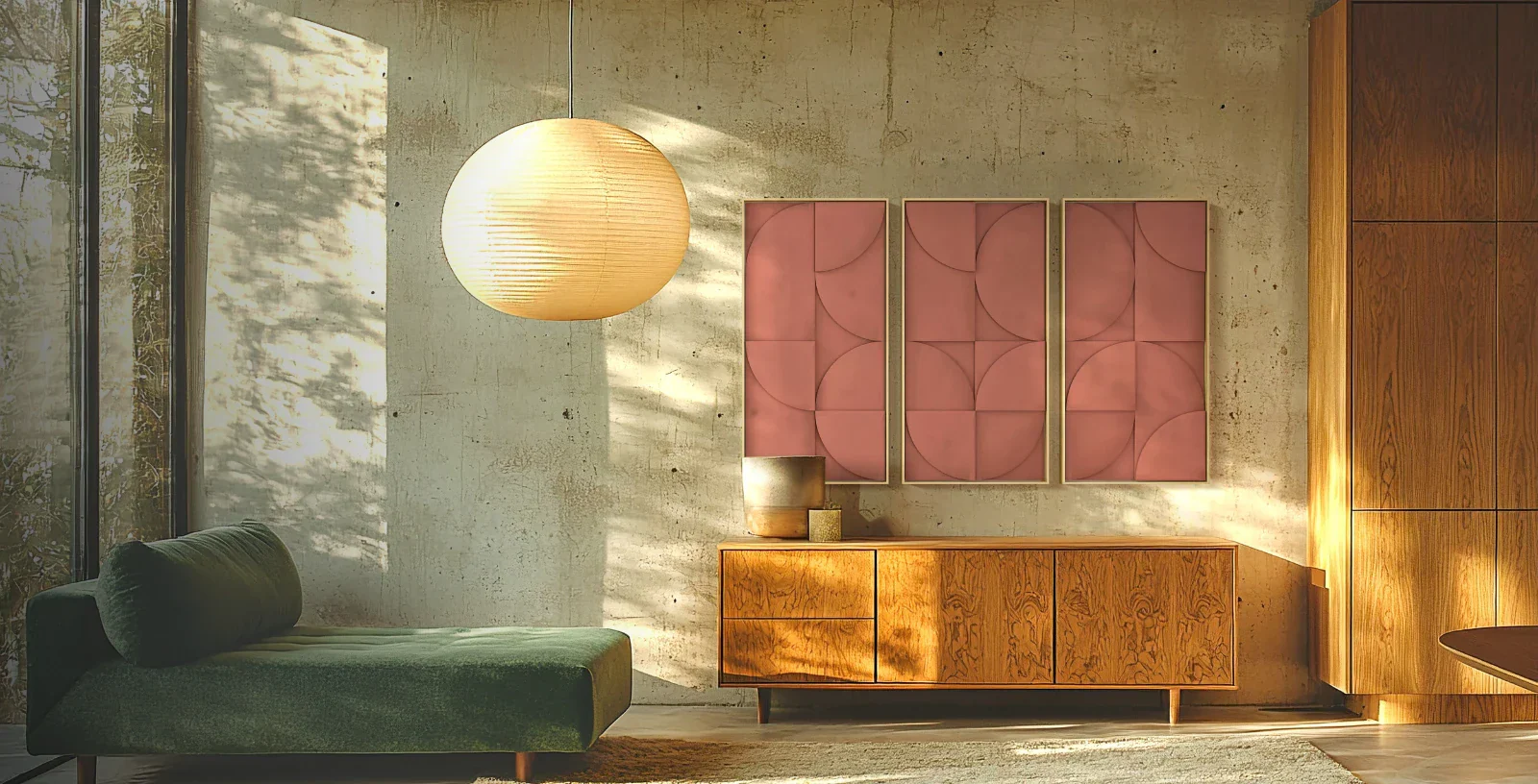
The key to successful lounge acoustics lies in precision placement rather than quantity. Treating first reflection points, adding controlled diffusion to maintain spaciousness, and managing bass discreetly can dramatically improve sound quality without altering the room’s appearance. This ensures that music feels wider, dialogue becomes clearer, and bass remains tight and controlled—even at moderate listening levels.
At AV Consultants, led by Deepak Saxena, the approach to lounge and living room acoustics is built on a simple philosophy: deliver reference-quality sound without disturbing the beauty of the space. Unlike dedicated home cinemas, living rooms are multi-purpose environments, so every acoustic decision must be both technically precise and visually invisible.
Dedicated Cenima Room Acoustics
Designing a high-performance home cinema is never “one-size-fits-all.” The location of the room—especially basement vs top floor—creates very different acoustic challenges that must be engineered carefully to achieve true cinematic performance.
Basement Home Cinema: Acoustic Challenges
Basements are often preferred for cinemas because of natural isolation, but they come with their own complexities.
The biggest issue is low-frequency buildup caused by enclosed concrete structures. Strong reflections and limited natural absorption create intense bass pressure due to Room Modes, leading to boomy, uncontrolled bass and uneven response across seating positions. Concrete walls also reflect mid and high frequencies, which can make the sound feel tight but sometimes overly “closed” or heavy if not treated properly.
Another challenge is low ceiling height, which can cause early reflections and reduce surround immersion. Without proper ceiling treatment, sound feels compressed rather than spacious. Additionally, basements can suffer from moisture and ventilation issues, which impact both acoustic materials and long-term system reliability.
Top Floor Home Cinema: Acoustic Challenges
Top-floor rooms are architecturally very different and often more difficult to control acoustically.
The biggest concern here is sound leakage and isolation. Being closer to the roof, these rooms tend to allow sound to escape easily, especially bass frequencies, which can disturb other parts of the house. Unlike basements, walls are usually lighter, leading to vibration and sound transmission issues.
Another challenge is irregular room shapes—sloped ceilings, skylights, and asymmetrical walls—which create uneven reflections and imaging problems. This affects dialogue clarity and surround precision. Large windows and lighter construction materials also introduce excessive reflections, making the sound brighter and less controlled.
Dedicated Cinema Room Acoustics: The AV Consultants Approach
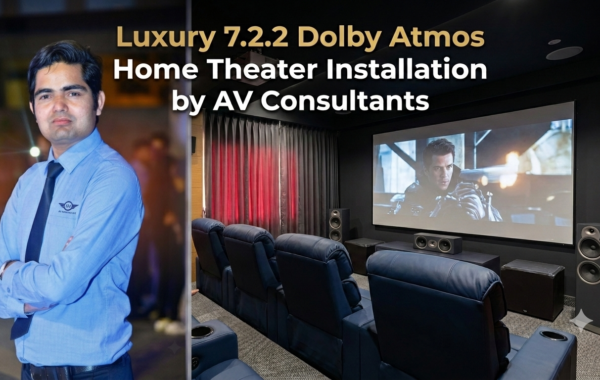
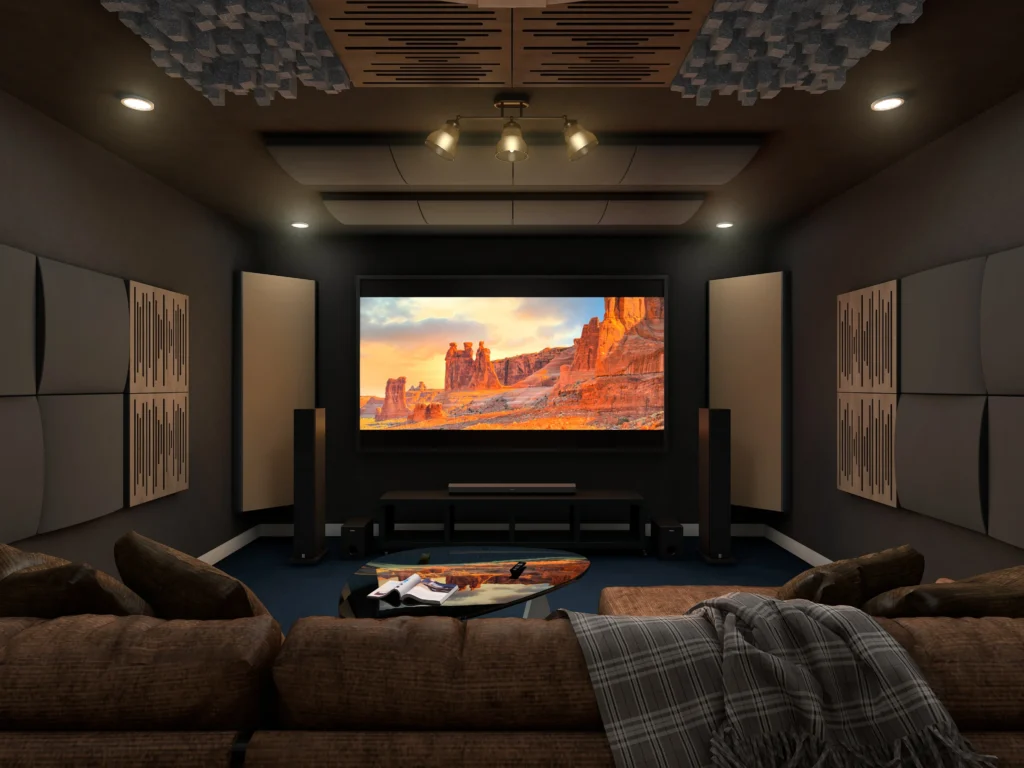
A dedicated home cinema is the only space where sound can be engineered to its full potential, and at AV Consultants, Deepak Saxena approaches it as a precision acoustic environment, not just a room with speakers. Unlike living rooms or bedrooms, a cinema room allows complete control over sound behavior—ensuring reference-level performance, accuracy, and immersion.
https://www.instagram.com/reel/DPGROjqkhV9/?utm_source=ig_web_copy_link&igsh=MzRlODBiNWFlZA==
The foundation of a great cinema begins with controlling how sound travels within the room. Hard reflections, echo, and flutter are eliminated through a carefully planned combination of absorption and diffusion. Early reflections are treated to preserve clarity and imaging, while the rear and ceiling areas are designed to maintain spatial depth, so surround effects feel natural and enveloping rather than scattered or harsh.
One of the most critical aspects is low-frequency control. Dedicated rooms often suffer from strong bass issues due to Room Modes, where certain frequencies become overpowering while others disappear completely. AV Consultants addresses this using high-performance bass traps, optimized subwoofer placement, and multi-subwoofer strategies to achieve smooth, powerful, and evenly distributed bass across all seating positions.
The use of premium acoustic solutions from brands like Vicoustic ensures both performance and longevity. Panels, diffusers, and bass traps are selected based on the room’s acoustic targets and are integrated seamlessly into the design—often behind fabric walls or custom paneling—creating a clean, luxury cinema aesthetic.
Equally important is sound isolation. A true dedicated cinema must prevent sound leakage both into and out of the room. This involves engineered wall constructions, acoustic doors, insulation layers, and vibration control, ensuring that high-impact movie scenes can be enjoyed without disturbing the rest of the home.
Finally, the system is professionally calibrated, aligning speakers, subwoofers, and room acoustics into one cohesive performance. The result is a space where dialogue is razor-sharp, surround effects are immersive, and bass is deep yet controlled, delivering a cinematic experience that rivals commercial theaters.
At AV Consultants Mohali, we combine world-class acoustic solutions with custom engineering to deliver this balance with precision and elegance. Premium brands like Vicoustic bring together performance and design, offering solutions such as Cinema Round Premium panels that effectively control mid and high frequencies while maintaining a refined aesthetic, and Multifuser DC3 diffusers that disperse sound energy to create a wider, more immersive soundstage. For low-frequency control—often the most complex challenge due to Room Modes—we utilize advanced solutions like GIK Monster Bass Traps, which absorb deep bass and reduce energy buildup, along with hybrid designs such as the GIK Impression Series that combine absorption and diffusion with decorative appeal for modern interiors.
Beyond branded products, AV Consultants specializes in bespoke acoustic engineering tailored to each room’s architecture. High-density Rockwool acoustic systems provide broadband absorption, significantly improving bass response, dialogue clarity, and surround imaging, while Polywool fabric systems offer eco-friendly, non-irritating materials that allow seamless fabric wall finishes with completely hidden speakers and treatments. A key part of our approach is advanced 3D acoustic modeling, where we simulate sound behavior before installation to optimize speaker placement, analyze reflection paths, calculate bass modes, and ensure balanced performance across all seating positions—especially critical for immersive formats like Dolby Atmos. Our hybrid acoustic layouts combine corner bass control, reflection treatment, ceiling absorption, and fabric-wrapped walls to create a natural, immersive sound environment. Each space is treated uniquely, from discreet solutions in living rooms to focused front-stage enhancement in bedroom cinemas, and full-scale acoustic systems in dedicated private theaters for reference-level performance.
Even with perfect acoustic treatment, calibration remains essential, which is why we integrate advanced digital correction technologies like Dirac Live to align the system precisely with the room. The result is a dramatic transformation—bass becomes tight and controlled, dialogue remains crystal clear even at low volumes, and surround effects move seamlessly to create a true three-dimensional sound field. Most importantly, the room disappears from the listening experience, leaving only pure cinematic immersion. As Deepak Saxena emphasizes through years of expertise, the room contributes at least half of what you hear, and without proper acoustic engineering, even the finest equipment cannot perform to its full potential. At AV Consultants, every project is executed with scientific precision and architectural sensitivity, with one clear mission: to create cinema spaces where every seat delivers breathtaking sound.
Conclusion: The Invisible Upgrade That Changes Everything
Acoustic treatment is the most powerful upgrade you can make to a home theater, because while projectors and speakers often receive the spotlight, it is ultimately the room that defines how they perform. At AV Consultants, our approach is rooted in precision, combining advanced 3D acoustic modeling, global technologies from brands like Vicoustic, and custom-engineered solutions tailored to each space to achieve true reference-level performance. By carefully controlling reflections, managing bass behavior influenced by Room Modes, and integrating acoustics seamlessly into the room’s design, we transform ordinary spaces into immersive cinematic environments that rival professional theaters. The result is not just better sound, but a complete experience where clarity, depth, and realism come alive effortlessly. In high-performance audio, the most impactful upgrade is often invisible—and that is exactly where our expertise makes all the difference.
At AV Consultants , the conclusion is simple yet powerful—acoustics is the foundation of every great home cinema. Our approach goes beyond just adding panels; it is a complete, science-driven process where the room is engineered to perform in perfect harmony with the audio system. By combining advanced 3D acoustic modeling, precise speaker integration, and global solutions from brands like Vicoustic, we ensure that every reflection, every frequency, and every detail is controlled with accuracy. Special attention is given to low-frequency behavior influenced by Room Modes, ensuring bass remains tight, balanced, and evenly distributed across all seating positions.