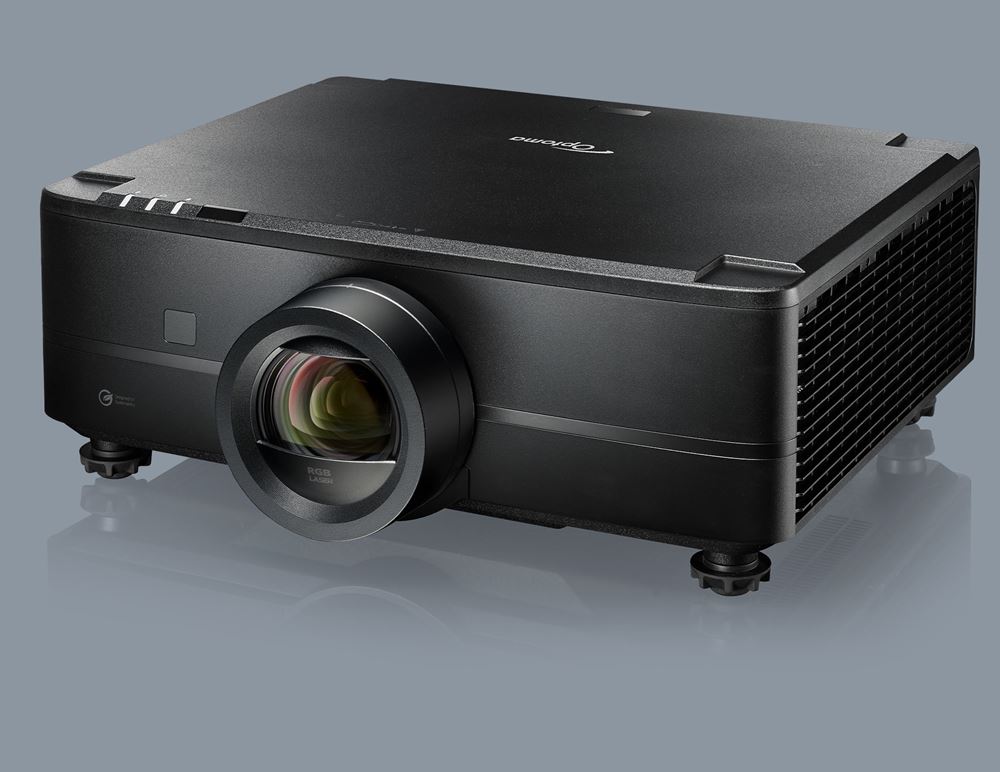


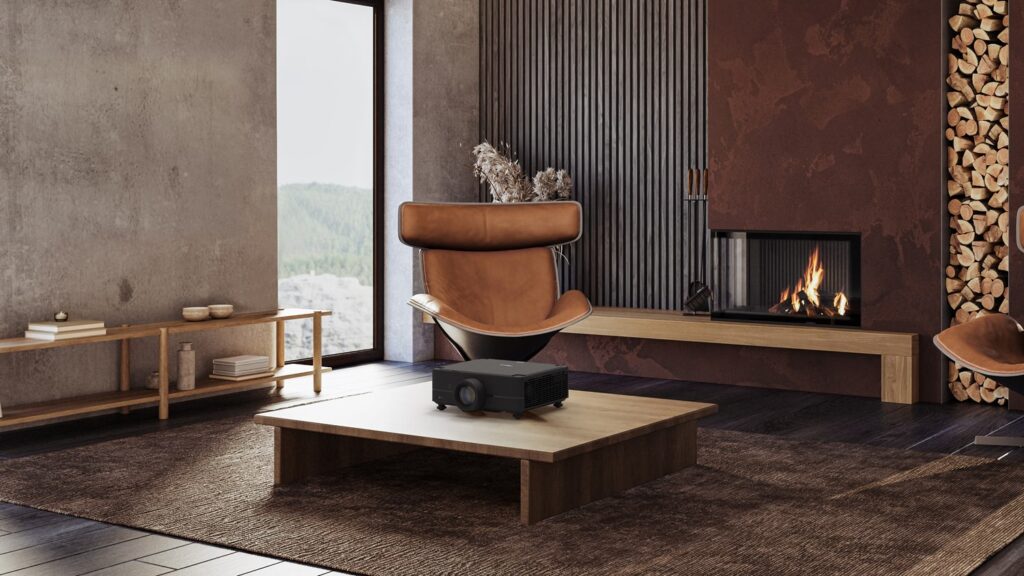


The Optoma UHZ78LV is a premium 4K UHD RGB triple-laser home entertainment projector built for high-end home cinema and bright-room performance. Based on the details you shared, here’s a clear breakdown of what it offers:
 🎬 Picture Quality & HDR Performance
🔹 Dolby Vision® & HDR10+
-
- Dolby Vision dynamically optimizes each frame for improved brightness, contrast, and color.
-
- HDR10+ enhances dynamic range and color precision scene-by-scene.
-
- Delivers deeper blacks, brighter highlights, and more realistic color reproduction.
🔹 IMAX Enhanced Mode
-
- Specially mastered content for larger-than-life cinematic presentation.
-
- Optimized brightness, contrast, and sound performance.
🔹 Filmmaker Mode & ISF Modes
-
- Filmmaker Mode preserves the director’s original intent.
-
- ISF Day/Night modes automatically adjust calibration depending on lighting conditions.
🖼️ True 4K UHD Resolution
-
- 3840 × 2160 resolution (8.3 million pixels)
-
- CTA-certified “True 4K UHD”
-
- 4× the detail of Full HD
-
- Sharper images and the ability to sit closer for a more immersive experience
🌈 RGB Triple Laser Technology
-
- 98% DCI-P3 color coverage
-
- More accurate, vibrant, cinema-grade color
-
- Up to 30,000 hours laser lifespan
-
- Stable brightness over time (less maintenance than lamp projectors)
⚡ PureEngine™ Ultra Processing
Optoma’s advanced image processing system enhances:
-
- Color accuracy
-
- Contrast depth
-
- Motion clarity
-
- Fine image detail
Great for:
-
- Fast-paced action movies
-
- Sports
-
- Gaming
-
- High-bitrate 4K streaming
💡 Brightness & Room Flexibility
-
- 5000 lumens
-
- Suitable for:
-
- Large screens
-
- Living rooms with ambient light
-
- Daytime sports viewing
-
- Dedicated dark home theaters
-
- Suitable for:
This brightness level makes it more versatile than many cinema-focused projectors that require total darkness.
🛠️ Installation Flexibility
-
- Lens shift
-
- 360° projection capability
-
- Keystone correction
-
- 4-corner adjustment
-
- Designed for easy ceiling or rear placement
This makes it suitable for:
-
- Custom home cinema rooms
-
- Media rooms
-
- Large living spaces
-
- Professional AV installations
🌍 Sustainability Focus
Optoma emphasizes:
-
- Lifecycle-aware product design
-
- Reduced environmental footprint
-
- Consideration of manufacturing, packaging, logistics, and energy usage
🏆 Who Is This Projector For?
✔ Serious home cinema enthusiasts
✔ Users wanting Dolby Vision on projection
✔ Bright-room large-screen setups
✔ High-end AV installations
✔ Long-term laser reliability without lamp replacements
If you’d like, I can also:
-
- Compare it with Sony or Epson 4K laser models
-
- Help decide if 5000 lumens is overkill for your room
-
- Estimate screen size vs viewing distance
-
- Break down whether it’s better for movies or gaming
Just tell me your room size and primary use.
why it is better than benq 5800 & epson Qb1000
Here’s a clear comparison showing why the Optoma UHZ78LV often stands out compared with premium models like the BenQ W5800 Laser 4K Projector / BenQ W5850 4K Home Cinema Laser Projector and the Epson QB1000 Native 4K HDR — especially for bright-room big-screen and cinema-style performance.
📊 Key Areas Where the Optoma UHZ78LV Has an Edge
✅ Far Higher Brightness
-
- Optoma UHZ78LV: ~ 5,000 lumens — very bright for a 4K home projector, great in ambient light or daytime viewing.
-
- BenQ W5800 / W5850: Laser models but typically around 2,600–3,000 lumens (much lower than Optoma).
-
- Epson QB1000: ~ 3,300 lumens — bright, but still noticeably less than UHZ78LV.
➡️ Why it matters: Higher lumen output means the Optoma can produce clearer, more vivid images even with some light in the room, while others perform best in very dark home theaters.
🎨 Superior Color and High Dynamic Range
-
- UHZ78LV: Uses RGB triple-laser tech with ~98% DCI-P3 wide color coverage — this is closer to true cinema color than most single-laser or LED systems.
-
- BenQ & Epson: Excellent color too, but generally not as wide or as precise at this brightness level.
➡️ Why it matters: RGB lasers deliver richer, more accurate color with better saturation — critical for movies.
🎥 Better HDR Experience
-
- UHZ78LV: Supports Dolby Vision, HDR10+, and IMAX Enhanced — the most advanced HDR formats available.
-
- BenQ & Epson: Typically support HDR10/HDR10+ but do not include Dolby Vision or IMAX Enhanced on most models.
➡️ Why it matters: Dolby Vision and IMAX Enhanced deliver better brightness mapping and richer picture depth, improving HDR performance.
💡 Contrast & Picture Detail
-
- UHZ78LV claims very high contrast (up to ~4,500,000:1) thanks to laser + advanced processing.
-
- Epson is excellent too — especially with 3LCD and deep blacks — but it doesn’t match triple-laser dynamic range in overall brightness.
-
- BenQ home projectors usually optimize contrast primarily through processing.
🕹️ Gaming & Motion Performance
-
- Optoma: Offers very low input lag and high refresh rates (up to 240 Hz at 1080p) — attractive for gamers.
-
- Epson & BenQ: Good general performance but typically focus more on cinematic HDR than gaming performance.
🧠 Quick Summary
| Feature | Optoma UHZ78LV | BenQ W5800 / W5850 | Epson QB1000 |
|---|---|---|---|
| Brightness | ⭐⭐⭐⭐⭐ (~5000 lm) | ⭐⭐⭐ (~2600–3000 lm) | ⭐⭐⭐⭐ (~3300 lm) |
| Color Accuracy | ⭐⭐⭐⭐ (RGB laser, wide DCI-P3) | ⭐⭐⭐⭐ (laser) | ⭐⭐⭐⭐ (3LCD) |
| HDR Formats | ⭐⭐⭐⭐⭐ (Dolby Vision +) | ⭐⭐⭐ (HDR10+) | ⭐⭐⭐ (HDR10+) |
| Contrast | ⭐⭐⭐⭐ | ⭐⭐⭐⭐ | ⭐⭐⭐⭐⭐ |
| Gaming Performance | ⭐⭐⭐⭐⭐ | ⭐⭐⭐ | ⭐⭐⭐⭐ |
| Best For | Bright rooms, large screens | Small/medium rooms | Dedicated dark theaters |
Add Your Heading Text Here